PATIENT INFORMATION
Understanding Your Procedure
We believe that informed patients are more comfortable and confident. Here is a guide to some of the common imaging and interventional procedures we perform.
We believe that informed patients are more comfortable and confident. Here is a guide to some of the common imaging and interventional procedures we perform.
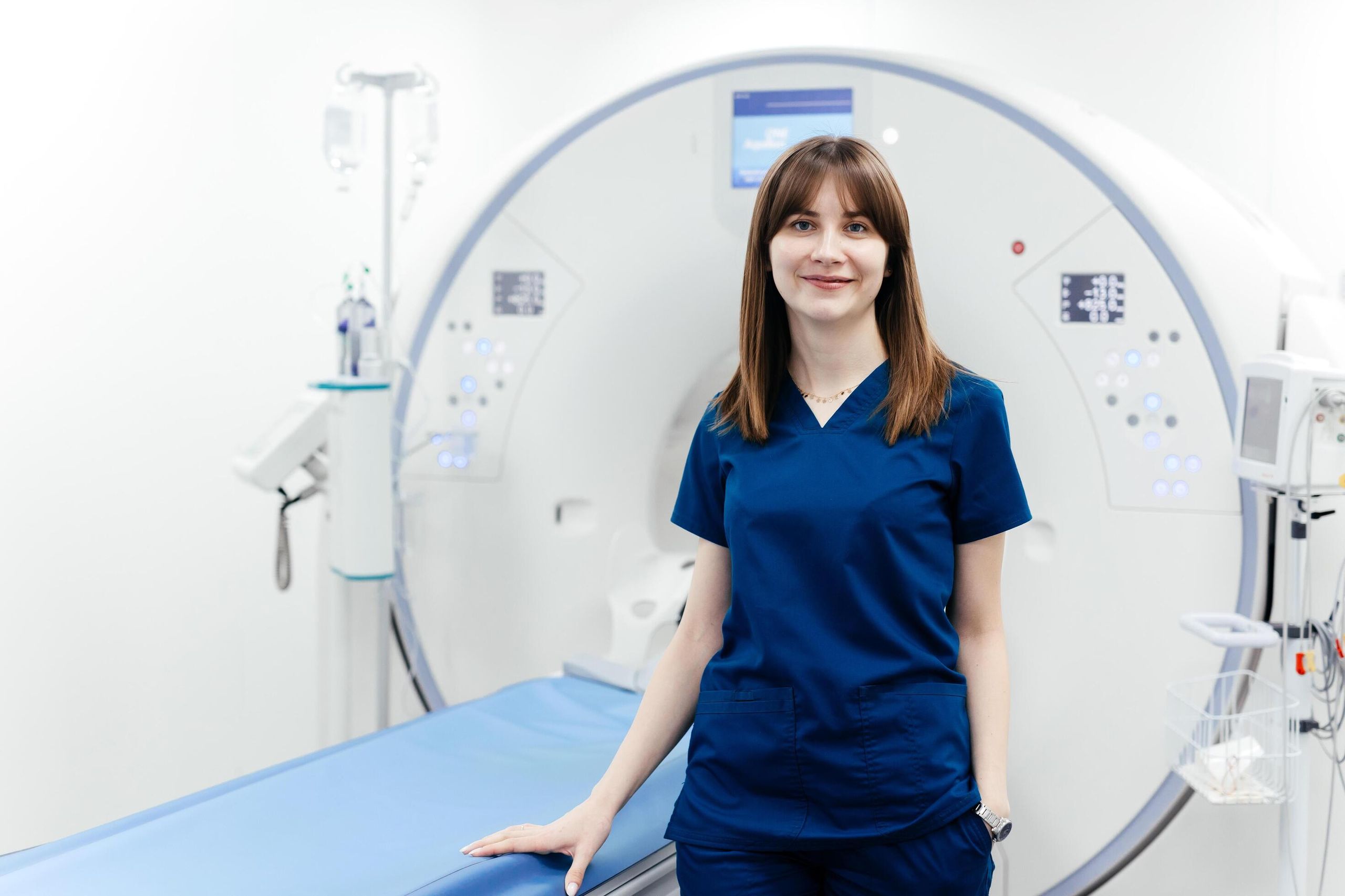
CT scans use special x-ray equipment to produce multiple images or pictures of the inside of the body and a computer to join them together in cross-sectional views of the area being studied. They provide greater detail than regular x-rays.
Read more at RadiologyInfo.orgMRI uses a strong magnetic field and radio waves to create detailed images of the organs and tissues within the body. Unlike X-rays and CT scans, MRI does not use ionizing radiation.
Read more at RadiologyInfo.orgRadiography involves exposing a part of the body to a small dose of ionizing radiation to produce pictures of the inside of the body. It is the oldest and most frequently used form of medical imaging.
Read more at RadiologyInfo.orgFluoroscopy is a study of moving body structures. A continuous x-ray beam is passed through the body part being examined, transmitting images to a monitor so that the body part and its motion can be seen in real-time.
Read more at RadiologyInfo.orgA minimally invasive treatment that uses heat generated from medium frequency alternating current to ablate (destroy) tumors or tissue.
Learn MoreA minimally invasive procedure used to treat spinal compression fractures. A balloon is inserted into the fractured bone to create a cavity, which is then filled with bone cement to stabilize it.
Learn MoreDelivers medication directly around the nerves in the spine (the epidural space) to provide temporary or lasting relief from pain or inflammation in the spine or extremities.
Learn MoreAn x-ray procedure involving the injection of contrast material directly into the liver bile ducts to produce pictures of the bile ducts, often used to evaluate blockages.
Learn MoreA catheter (thin plastic tube) inserted through the skin and into the kidney to drain urine. This is typically performed when the ureter is blocked.
Learn MoreThe removal of tissue from any part of the body to examine it for disease. Image guidance (CT or Ultrasound) is used to precisely locate the area and guide the needle safely.
Learn More*Information sourced from the American College of Radiology (RadiologyInfo.org). Please consult your physician for specific medical advice.